Trail Running Vs Hiking Shoes: Which Is Best For Your Hike
Author:Andy
|
Released:January 7, 2026
Are your heavy boots making every mile feel like a chore? Choosing between trail running shoes and hiking shoes is the biggest decision you'll make for your feet. Let's break down which one actually keeps you moving without the blisters and heavy legs.
The Great Debate: Trail Runners Vs Hiking Shoes
For decades, the rule was simple: if you're going into the woods, you wear heavy leather boots. But things have changed. Today, if you look at people finishing 2,000-mile treks on the Appalachian Trail, most of them aren't wearing boots. They are wearing trail runners vs hiking shoes.
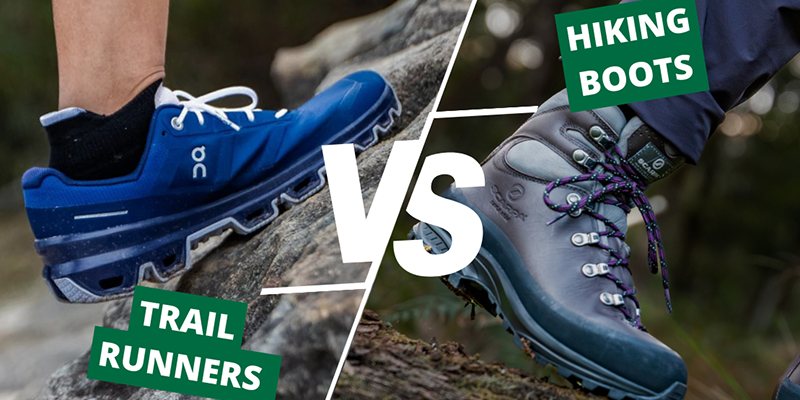
The main difference comes down to a trade-off between weight and protection. Light trail running shoes are built for speed and agility. They feel like your favorite gym sneakers but have aggressive treads on the bottom. Traditional hiking shoes are stiffer, heavier, and designed to last through years of abuse.
So, which one should you pick? A famous mountain study often cited by hikers suggests that one pound on your feet is equal to five pounds on your back in terms of energy cost. If you want to feel less tired at the end of the day, going lighter is the fastest way to get there.
Why Light Trail Running Shoes Are Winning The Trail
If you want to move fast and stay cool, lightweight trail-running shoes are hard to beat. These shoes are made of mesh and synthetic materials that let your feet breathe. On a hot summer day, this is a lifesaver.
The big benefits of trail runners:
- Zero Break-in Time: You can usually take them out of the box and hike 10 miles the same day.
- Breathability: Your feet sweat. In heavy shoes, sweat stays inside and can cause blisters. In trail runners, the moisture escapes.
- Fast Drying: If you step in a stream, a mesh trail runner will dry in an hour of hiking. A leather shoe might stay wet for two days.
However, don't think they are perfect for everything. Because they are soft, you will feel more of the rocks under your feet. If you are carrying a very heavy pack (over 35 pounds), the soft foam in these shoes might compress too much, leaving your feet feeling sore.
When You Should Stick With Traditional Hiking Shoes
Despite the hype around running gear, traditional hiking shoes still have a loyal following for a reason. They are the tanks of the trail world. If you are hiking in jagged, rocky terrain or going off-trail where there are thorns and sharp stones, you need more than mesh.
Choose hiking shoes if:
- You need durability: A pair of trail runners might only last 400 to 500 miles. A solid pair of hiking shoes can easily go 800 miles or more.
- You carry a heavy load: The stiffer midsoles in hiking shoes help distribute the weight of a heavy backpack, saving your arches from collapsing.
- You want more protection: The rubber toe caps on hiking shoes are much stronger. If you kick a rock by accident, you won't break a toe.
Now, you might be wondering about ankle support. Many people think they need high-top boots to prevent sprains. However, many physical therapists argue that strengthening your ankles is better than bracing them. Still, if you have a history of rolling your ankles, the extra stiffness of a hiking shoe provides a safety net that a flimsy runner won't.
The "Feel" Test: Cushion, Grip, And Drop
When comparing trail running shoes vs hiking shoes, you need to look at the specs just like you would for a car. Here are three things that actually matter for your comfort:
1. The Grip (Outsole)
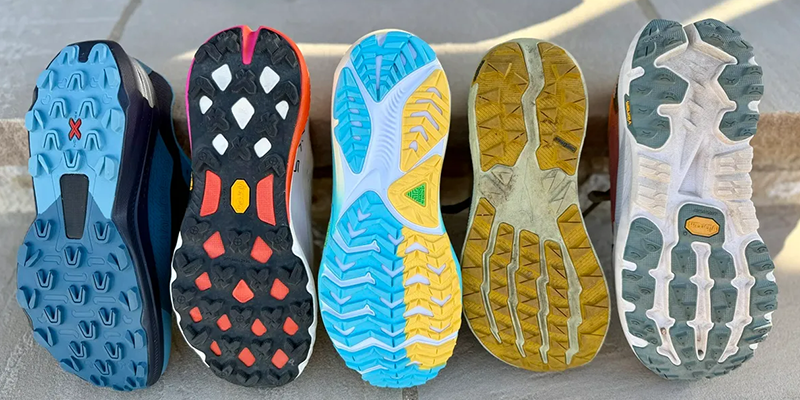
Look at the bottom of the shoe. You want lugs—those rubber bumps that dig into the dirt. For muddy trails, you want deep, widely spaced lugs. For rocky trails, you want a stickier rubber compound (like Vibram Megagrip) that grabs the stone.
2. The Cushion (Stack Height)
Some light trail-running shoes are maximalist, meaning they have a thick layer of foam (think Hoka-style). This is great for old knees, but it can feel tippy on uneven ground. Others are minimalist, letting you feel every pebble. Most hikers find the middle ground to be the sweet spot.
3. The Drop
This is the height difference between the heel and the toe. Standard shoes have a high heel. Zero-drop shoes are flat. If you suddenly switch to zero-drop shoes, your calves will be incredibly sore. If you're used to standard sneakers, stick with a shoe with a 5mm to 10mm drop.
Practical Tips For Making The Switch
If you've always worn boots and want to try trail runners vs hiking shoes, don't jump into a 20-mile hike immediately. Your feet have muscles that haven't been used in years because they were "locked" inside stiff boots.
How to transition safely:
- Start Small: Wear your new light shoes on a 2-mile walk around the neighborhood.
- Check Your Socks: Don't wear thick wool "boot socks" with trail runners. Switch to thinner, moisture-wicking synthetic or Merino wool socks.
- The Thumb Rule: When you buy, make sure there is a full thumb's width of space between your longest toe and the end of the shoe. Your feet will swell when you hike, and if the shoes are too small, you will lose your toenails.
Waterproof Vs. Non-Waterproof: The Big Mistake
Many hikers think they need Gore-Tex or waterproof shoes. Here is the truth: waterproof shoes are great for snow or short walks in wet grass. But on a long hike? They are a trap.
Once water gets inside a waterproof shoe (either from a deep puddle or from your own sweat), it cannot get out. It's like wearing a plastic bag. For most summer hikes, a non-waterproof hiking shoe or trail runner is better because it allows your feet to dry out naturally. According to the [American Hiking Society], keeping feet dry is the #1 way to prevent fungal issues and skin breakdown on the trail.
Which One Is Right For Your Next Trip?
To wrap it up, the choice between trail running shoes vs hiking shoes depends on your goals. If you want to feel light, move fast, and don't mind replacing your shoes every season, go with the trail runners. They make hiking feel like walking on clouds.
If you are planning a rugged expedition, carrying a week's worth of food, or hiking in very cold and wet conditions, the stability of a hiking shoe is your best friend.
Before you head out, go to a store and try on both styles. Walk up and down the ramps they provide. Your feet will tell you which one they prefer. Don't listen to the gear snobs—the best shoe is the one that you forget you're wearing. Ready to find your perfect pair? Compare the latest models and see how much better your next hike can feel!
Related Posts
Guides and Tips
How To Stay Energized During A Long Mountain Hike
Outdoor Gear
Hiking Sock Materials Compared: Merino Wool Vs Synthetic Blends
Outdoor Gear
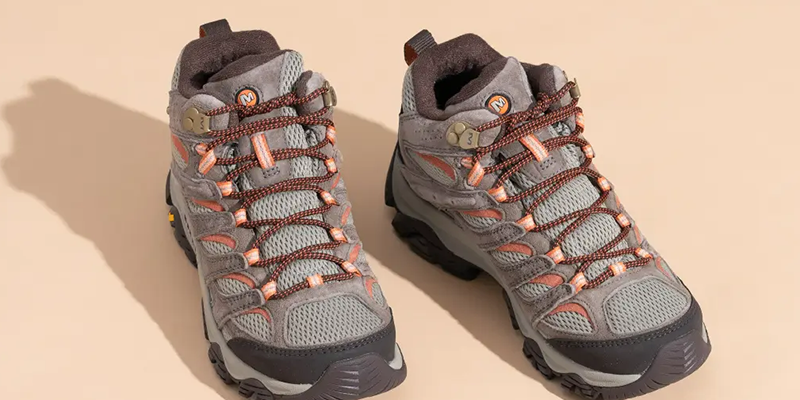
Waterproof Hiking Boots With Latest Tech (2026 Picks)

Guides and Tips
Hiking Poles Guide: When Do You Actually Need Hiking Poles

Activities
15 Things First-Time Hikers Get Wrong Before Their First Hike

Activities